Introduction
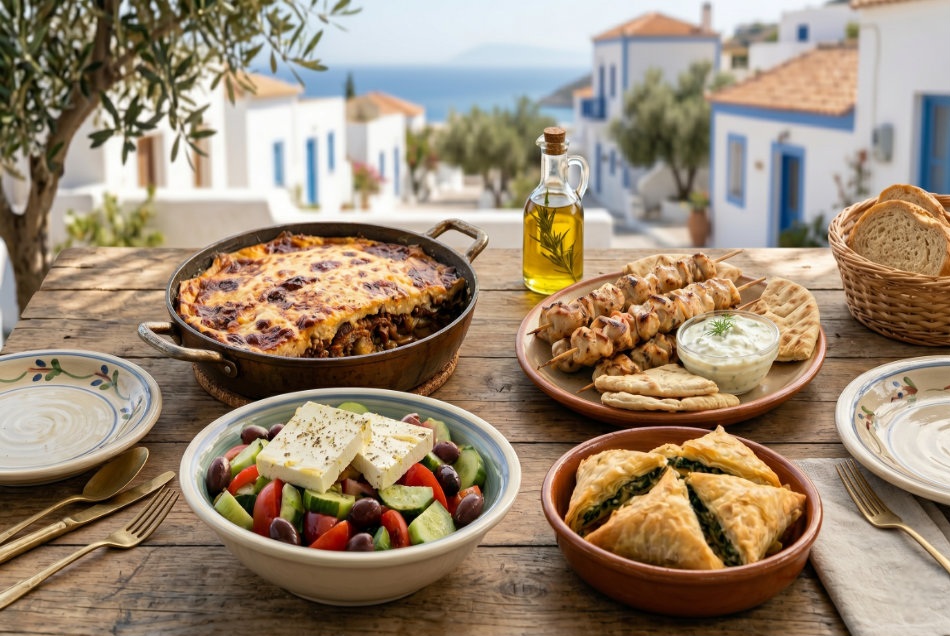
Kalosorisate, my dear! Come in, sit down. Have you eaten? You look a little thin. Here, take a piece of paximadi and let me pour you some coffee. You’ve come to my kitchen at the Greek Grapevine because you want to learn the secrets of the island of Cyprus, haven't you? Well, you’ve come to the right place.
Cyprus is like a beautiful little sister to Greece. We share the same blue sea and the same sun, but the flavors? Oh, the flavors in Cyprus have their own magic. They use more cinnamon, lots of dry coriander, and of course, the queen of the island: Halloumi. If you want to learn how to make authentic Cypriot dishes, you must cook with your heart, not just your measuring spoons. In my kitchen, we measure with the soul!
The Secret Soul of Cyprus: Ingredients You Must Have
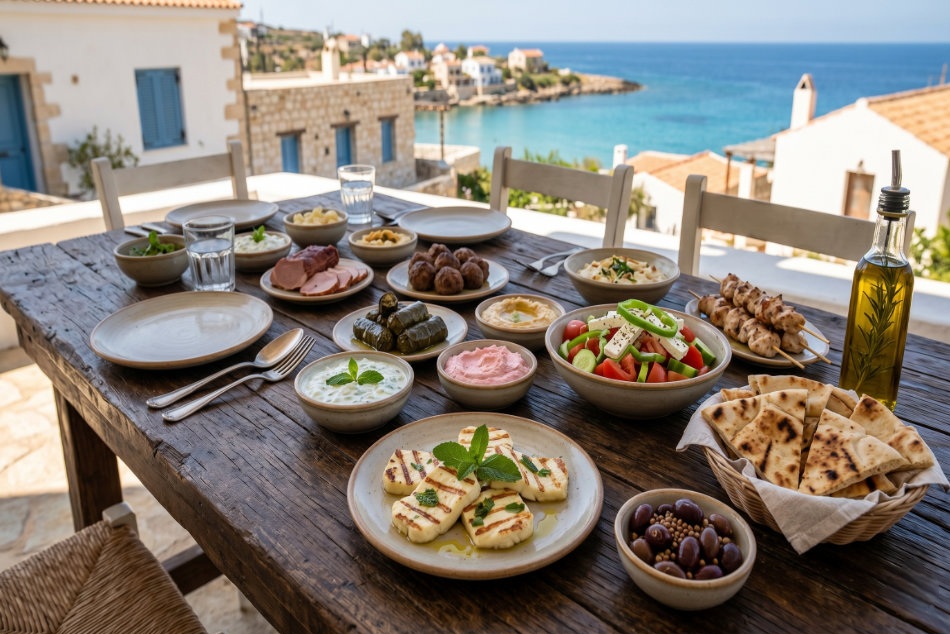
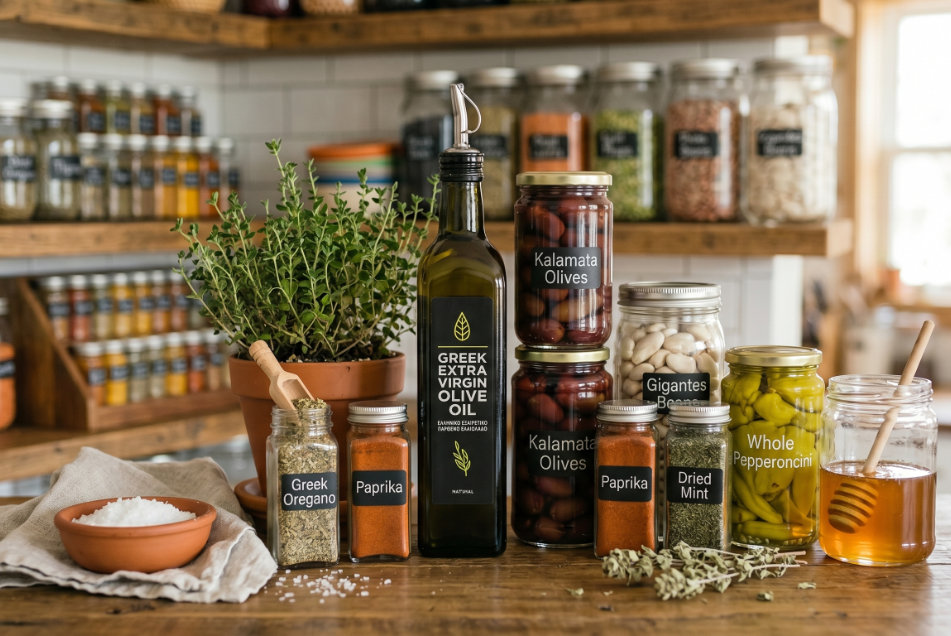
Before we turn on the stove, we must talk about the ingredients. You cannot make traditional Cypriot food if you are using poor-quality oil. You need the greenest, richest olive oil you can find. And spices! In Greece, we love our oregano, but in Cyprus, they invite coriander seeds and cumin to the party. These earthy smells are what make the food taste like the island air.
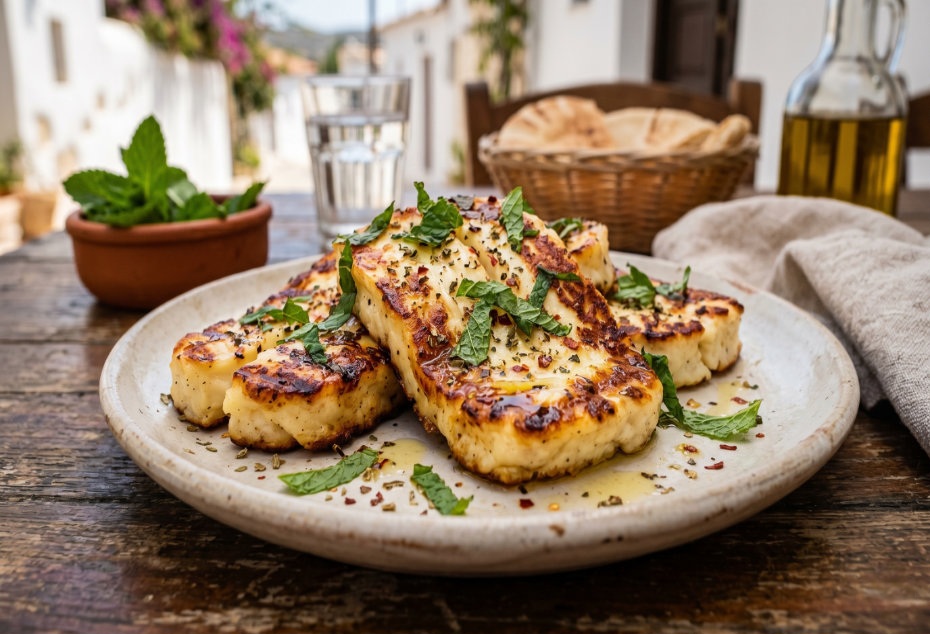
And we cannot forget the Halloumi. Real Cypriot Halloumi is made from a blend of goat and sheep milk. It doesn't melt away into a puddle; it stands strong, getting a beautiful golden crust when you fry or grill it. If you’ve enjoyed my authentic Tzatziki recipe, you will find that a slice of warm Halloumi dipped into that cool yogurt is a little piece of heaven on earth.
To cook like a real Cypriot YiaYia, you must also have "Panna" (caul fat) for the Sheftalia and plenty of fresh vine leaves for the Koupepia. If you have these, and a heart full of love, you are ready to begin.
Koupepia: The Stuffed Treasures of the Island
Now, my sweet child, let’s talk about Koupepia. You might call them Dolmades, but don't say that too loudly in a Cypriot village! While Greek dolmades often use plenty of dill and are sometimes meatless, Cypriot Koupepia are famous for their rich tomato and cinnamon-scented meat filling.
First, you take the tender grape leaves. If you have a vine in your garden, even better! You blanch them until they are soft. Then, for the filling, we use minced pork, finely chopped onions, parsley, and plenty of ripe, grated tomatoes. But the secret? It’s the cinnamon and a squeeze of fresh lemon juice.
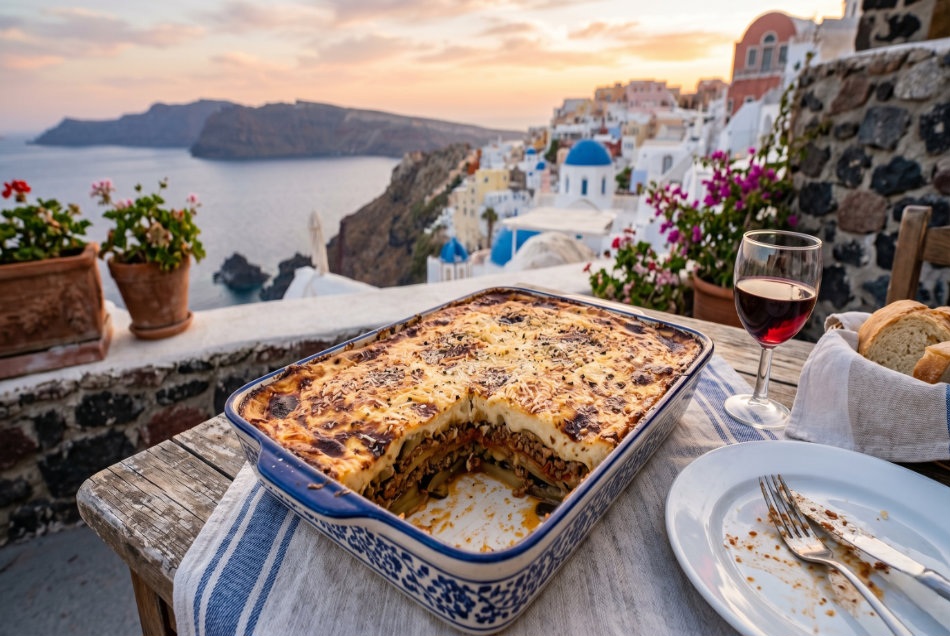
Rolling them is a labor of love. You sit with your sisters or your friends, you gossip a little, you laugh a little, and you roll the leaves tightly. We cook them in a pot with a bit of tomato juice and water until they are tender enough to melt in your mouth. If you like the richness of my traditional Moussaka, these little parcels of joy will be your new favorite snack.
Sheftalia and Afelia: Meat Dishes That Taste Like Home
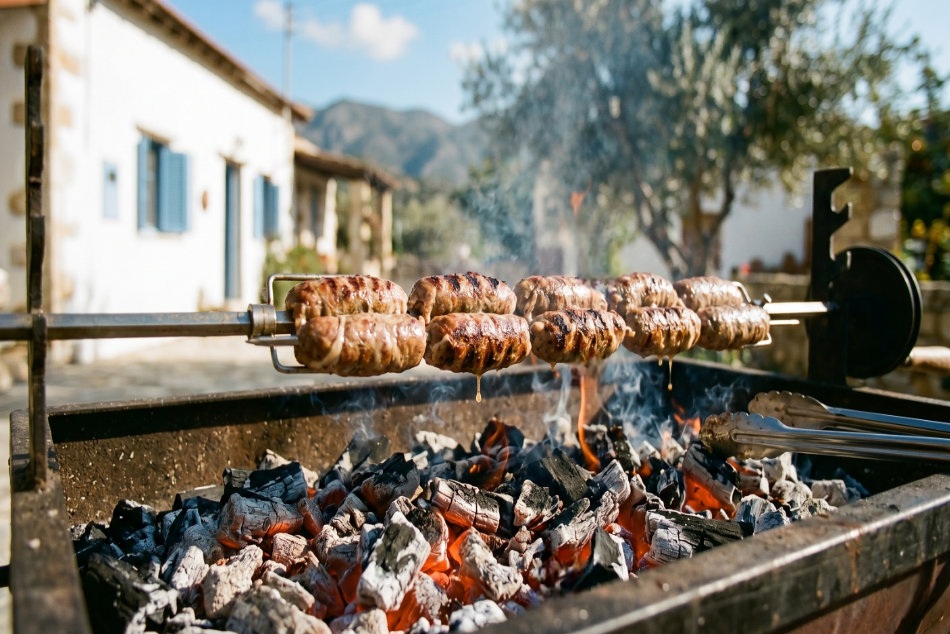
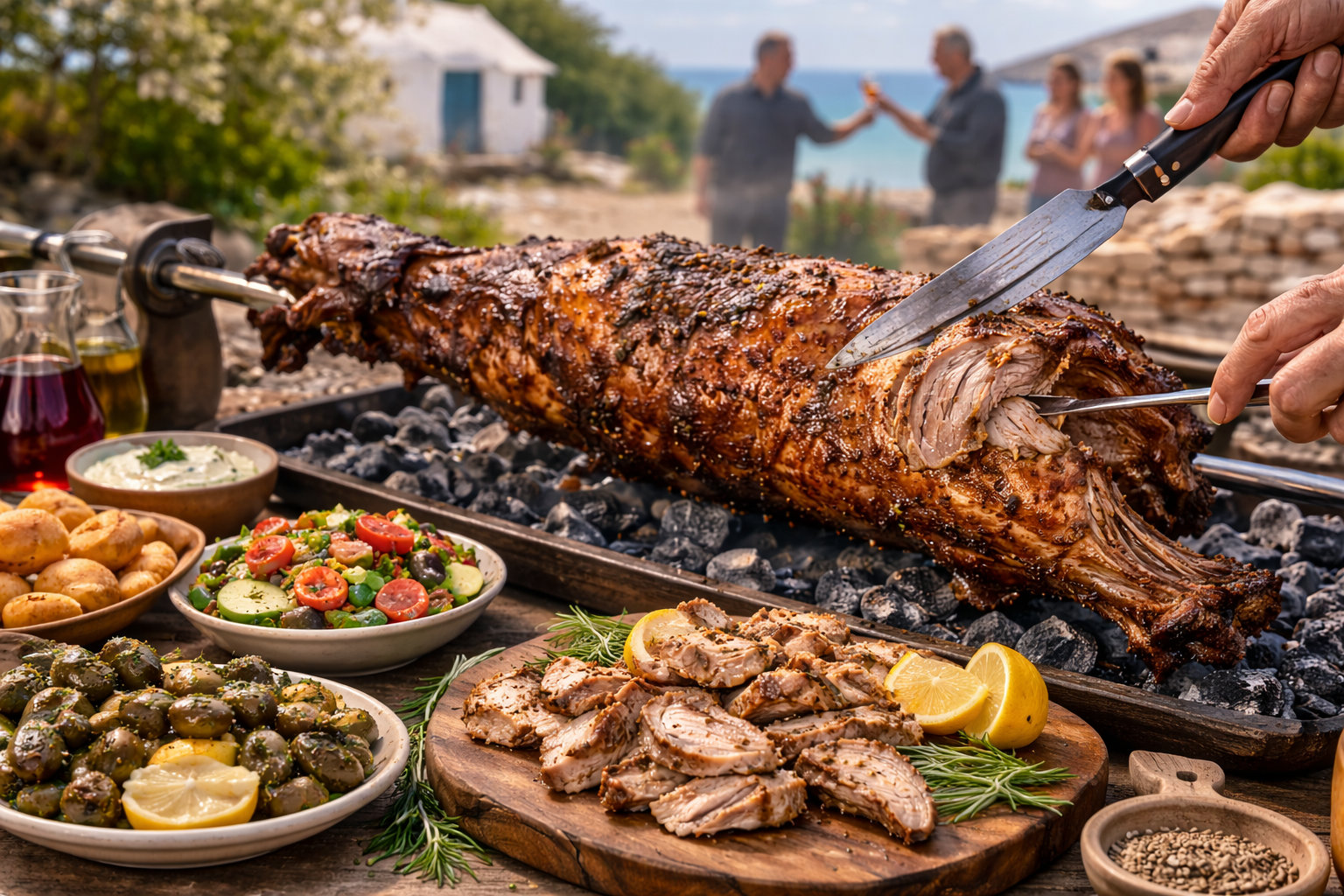
If you walk through the streets of Nicosia or Limassol in the evening, the air smells of charcoal and roasting meat. That is the smell of Sheftalia. These are not your typical sausages, moro mou. They don't have a skin; they are wrapped in "panna"—the lacy fat from the stomach of a lamb or pig.
Inside, we mix minced pork or lamb with lots of onion, parsley, and salt and pepper. We wrap them in the panna and grill them over hot coals. The fat melts away, keeping the meat so juicy it sings! You serve them inside a warm pita pocket with salad and a big squeeze of lemon.
Then, there is Afelia. This is the dish I make when the weather turns a little cool. It is pork cubes marinated in red wine and crushed coriander seeds. We fry the meat until it’s brown and then let it simmer in the wine until it’s soft enough for a toothless old man to eat! It is simple, humble, and perfectly Cypriot. You serve it with "Pourgouri"— which is what we call bulgur wheat — cooked with vermicelli noodles and tomato.
Makaronia tou Fournou: The Ultimate Comfort Food
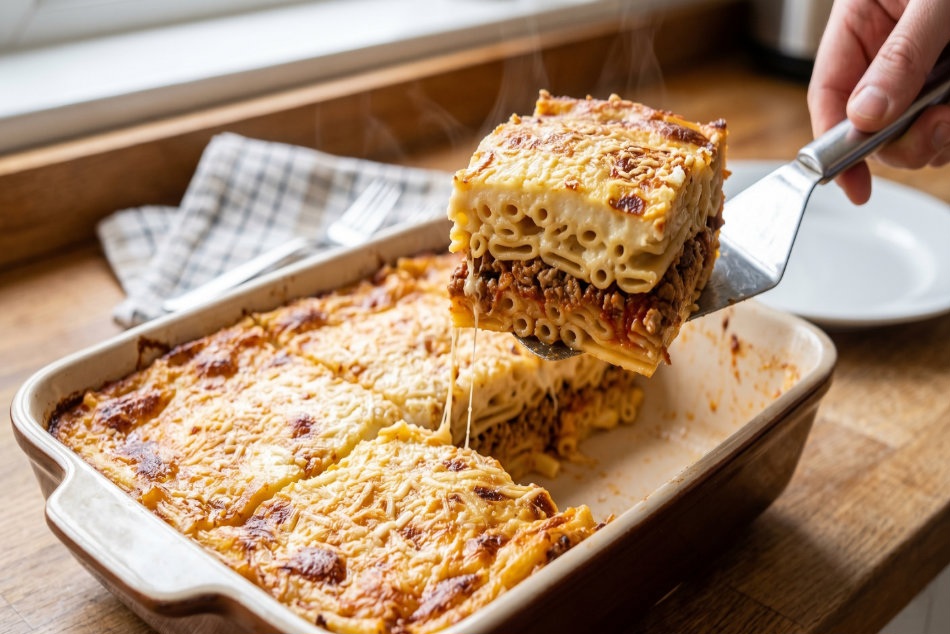
Lastly, I must teach you about Makaronia tou Fournou. Now, you might say, "YiaYia, this looks like Pastitsio!" And you are right, it is a cousin. But the Cypriot version is unique because of—you guessed it—the Halloumi and the dry mint!
In this authentic Cypriot recipe, we use long, thick pasta. We layer it with a savory pork mince filling. But instead of just a plain bechamel sauce on top, we mix a generous amount of grated Halloumi and dried mint into the cream. When it bakes in the oven, it creates a salty, minty, golden crust that is unlike anything else.
I always tell my grandchildren, if you want someone to fall in love with you, make them a tray of Makaronia tou Fournou. It works every time! And if you want to make a full feast, why not serve it alongside some crispy lemon potatoes? Your guests will never want to leave your table.
The YiaYia Way: A Final Word on Cooking
Cooking authentic Cypriot dishes isn't about being perfect. It’s about the "parea" the company. It’s about the smell of the herbs filling your house and the joy of feeding the people you love. Whether you are frying up some halloumi for a quick breakfast or rolling Koupepia for a Sunday feast, do it with a smile.
I hope you try these recipes in your own kitchen. Remember, if it doesn't taste right the first time, just add a little more olive oil or a squeeze of lemon. That is the secret to life, and the secret to Cypriot cooking! Come back and visit me here at the Greek Grapevine anytime you are hungry for a story and a recipe. Kali Orexi!


0 Comments